
Ten Days Through the Soul of Morocco: An Imperial History Itinerary
10-day Morocco history itinerary: Casablanca, Rabat, Chefchaouen, Meknes, Fez, Marrakech, Essaouira & Aït Ben Haddou
Raul Luca
4/21/202621 min read
Minarets rising over dusty medinas, Roman mosaics glittering in olive groves, clay kasbahs clinging to desert hillsides, and a thousand years of empire layered into every tiled archway — Morocco is one of the world's most spectacular open-air history museums. This 10-day journey traces the country's great arc of civilizations: from Berber kingdoms and Roman outposts to the golden age of Islamic scholarship, the drama of the Saadian sultans, and the rise of a modern kingdom. Pack your curiosity, your comfortable shoes, and an appetite for adventure.
⭐ Hidden Gems are marked throughout this guide — these are lesser-known spots that locals love and tourists rarely find. You can also view this itinerary in the app and customize it for your own trip.
Day 1: Arrival in Casablanca — The Prelude to Empire
Morning
You land in Casablanca — not the most ancient of Moroccan cities, but a powerful gateway. This North African gem is not only known for its vibrant culture, spiced cuisine, and Sahara landscapes, but it's also home to some of the world's most treasured historical sites. Today is about easing in and getting your first taste of Morocco's layered past.
Start your Casablanca morning with breakfast at Café Maure, tucked beneath the arches of an old colonial building in the Habous Quarter — Casablanca's "New Medina," built in the 1930s by French urban planners who tried to recreate a traditional Moroccan quarter in their own image. The result is an oddly charming hybrid of French administrative architecture and Moroccan craftwork, with cedar-carved doorways opening onto quiet, arcaded squares. Pastries, mint tea, and msemen (flaky Moroccan pancakes) for under $4 — the perfect start.
Morning to Afternoon
The unmissable sight of Day 1 is the Hassan II Mosque — a monument that defies superlatives. The largest mosque in Morocco and the seventh-largest in the world, work on the Hassan II Mosque started in 1987 and was completed in 1993, thanks to the blood, sweat, and tears of over 10,000 craftsmen. It was built partially over the sea on a spectacular spot on the capital's Atlantic seafront. Its minaret reaches a towering 210 meters (689 feet) and is the tallest in the world. The jaw-dropping architecture reflects a unique blend of traditional Moroccan design with modern touches. There are glistening Italian Carrara marble floors, intricate zellij tilework, stucco, mahogany woodwork, and even a retractable roof.
Guided tours run several times daily (approx. $14) and are the only way non-Muslims can enter. Book ahead — tours fill quickly. Dress code: Shoulders and knees must be covered; remove shoes before entry.
Afternoon
After the mosque, take a stroll along the Corniche before heading to the Quartier des Habous (the New Medina), where you'll find honey-drenched pastries, copper lanterns, and a rare calm compared to Marrakech's famous chaos. Browse the covered market streets before stopping for lunch at ⭐ Sqala Restaurant, which occupies a beautifully restored 18th-century Portuguese bastion right on the old city ramparts. The chicken pastilla ($9–12) here is legendary among Casablanca locals.
Evening
Dinner at La Bodega in the city center — a lively, casual Moroccan-Spanish restaurant where the atmosphere is electric, the brochettes are flame-grilled, and a full meal comes in under $15. Afterwards, rest up.
Stay: Hotel Volubilis — a clean, mid-range hotel near the Hassan II Mosque, offering solid comfort for around $60–70/night, ideal for one night in Casablanca before the real journey begins.
Day 2: Casablanca to Rabat — The Capital's Royal Legacy
Morning
Rise early for the CTM bus from Casablanca to Rabat (~1 hour, ~$4). Morocco's capital and one of its four imperial cities, Rabat is often overlooked by tourists rushing to Marrakech — and that's precisely why history lovers should linger here. Rabat is one of the country's four imperial cities; however, by population, the city only ranks seventh. Established from the 12th century by the Almohads, it didn't become the country's administrative center until 1912, and later the capital when Morocco gained independence in 1956.
Drop your bags and head directly to the Hassan Tower Complex. The Hassan Tower is actually a 140-foot red stone minaret built during the reign of Yacoub El Mansour, a sultan of the Almohad Dynasty who ruled from 1184 AD. Construction of the Hassan Tower began in approximately 1195 AD and was intended to result in the largest mosque on earth. When al-Mansur died in 1199, construction on the mosque stopped. The minaret was left standing at a height of 44 meters. The rest of the mosque was left incomplete, with only the beginnings of several walls and 348 columns being constructed.
The stumps of those 348 columns spread across the esplanade like a stone forest, casting shadows in geometric rows at sunrise. Look out for the gorgeous decorative sekba panels on the outside and be sure to visit the extremely photogenic pillar stumps. The dawn and dusk light casts a particularly lovely hue over the complex, making it the best time to visit.
Immediately adjacent is the Mausoleum of Mohammed V — equally unmissable. The Mausoleum of Mohammed V is the grand tomb of one of Morocco's kings and his two sons. Mohammed V was the sultan of Morocco for two periods — 1927 to 1953 and 1957 to 1961. In between these times he was exiled, although he is now remembered for his contribution to the attainment of Morocco's independence. Commissioned by King Hassan II in 1962 and completed in 1971, the Mausoleum of Mohammed V is a white building crowned with green tiles. Inside, the mausoleum is lavishly decorated and adorned with a wealth of traditional artwork. Entry is free. Guards in ceremonial dress stand in silent vigil around the tomb.
Afternoon
Grab a cheap lunch — a lamb kofta sandwich from a street stand near the medina for under $2 — then explore Rabat's Medina, which is far less hectic than Marrakech's and offers a more authentic shopping experience without the hard sell.
Then make your way to the Kasbah des Oudaias, the ancient fortress perched at the mouth of the Bou Regreg River. Step inside the Oudaya Kasbah in Rabat, a centuries-old Moroccan fortress where blue alleys, ancient gates, and ocean views bring history vividly to life. The blue-and-white alleyways inside feel like a Moroccan cousin of Chefchaouen, but almost nobody knows about it. From the ramparts, watch the Atlantic crash against the rocks as fishing boats bob on the river below.
Afterward, visit the ⭐ Chellah Necropolis — just a short taxi ride from the medina (under $3). This site is filled with history, from ancient Roman times to medieval Islamic periods. Storks nest in the ancient minarets, wild cats weave between the ruins, and the gardens bloom with bougainvillea. You'll likely have it almost to yourself. Admission is approximately $2.
Evening
Dinner at ⭐ Diwan Restaurant, a locals' favorite in the medina, where you can sit in a tiled courtyard and feast on harira soup, slow-cooked lamb, and a plate of Moroccan salads for around $10–12.
Stay: Riad Dar Yamna in Rabat's medina — a beautifully restored traditional home offering double rooms from $55–70/night. The hosts are warm, breakfast is included, and you're a short walk from all the major sights.
Day 3: Chefchaouen — The Blue City in the Mountains
Morning
Take an early CTM bus from Rabat to Chefchaouen (~3.5 hours, ~$8). Known as the "Blue Pearl" of Morocco, Chefchaouen's blue-washed streets and serene atmosphere offer a perfect retreat. Nestled in the Rif Mountains, the medina of Chefchaouen (like Tetouan) offers an incredibly unique blend of Andalusian, Islamic, and Berber influences. After the Spanish Reconquista, many Muslims and Jews settled here, bringing their distinct cultural and architectural styles.
Founded in 1471, Chefchaouen was built as a fortified stronghold against Portuguese invasions, and its walls absorbed wave after wave of Muslim and Jewish refugees from Andalusia — people who carried with them centuries of architecture, cuisine, music, and a profound sense of exile. That history is etched into every blue-painted wall and Moorish archway.
Breakfast at your riad, then explore the medina on foot. It's small enough to navigate without a guide but rewarding enough to wander for hours.
Morning
Visit the Plaza Uta el-Hammam, the main square where the 15th-century Grand Mosque rises with its unusual octagonal minaret — a distinct Andalusian signature. Beside it stands the Kasbah Museum (admission ~$2), a restored 15th-century fortress with well-labeled exhibits on the city's Andalusian and Berber heritage, plus a rooftop terrace with sweeping mountain views.
Afternoon
Lunch at Bab Ssour Restaurant, a beloved local spot just inside the medina walls. The harira soup with Moroccan bread for $2 is exactly what the Atlas Mountain air demands.
After lunch, climb the hillside to the Spanish Mosque — a 20-minute walk above the city. The mosque itself is unremarkable, but the panoramic view of Chefchaouen's blue rooftops tumbling down into the valley, framed by cedar-forested peaks, is one of the most beautiful vistas in all of Morocco. Go in the late afternoon for golden-hour light. Free, and almost always empty.
Evening
Dinner at ⭐ Restaurant Tissemlal, tucked into a small alley near the kasbah — a favorite of local Moroccan families, not tourists. The mechui (slow-roasted lamb) here is fall-off-the-bone tender, and a full meal won't set you back more than $8.
Stay: Riad Lina & Spa Chefchaouen — a serene riad just inside the medina, offering rooms from ~$65/night with a rooftop terrace where the call to prayer echoes across the valley at dawn.
Practical tip: Chefchaouen gets very busy on weekends. Visit the most photogenic alleys (the famous "blue stairs" near the main square) before 8:30am or after 5pm for crowd-free photos.
Day 4: Meknes — The Moroccan Versailles
Morning
Bus from Chefchaouen to Meknes (~4 hours, ~$8 — with a transfer at Ouazzane). The Historic City of Meknes is a true imperial gem that holds a special place in the country. Inscribed as a UNESCO Site in 1996, Meknes rose to prominence in the 17th century under the powerful Sultan Moulay Ismail, who envisioned it as a grand capital to rival the likes of Versailles.
Meknes is arguably Morocco's most underrated imperial city — vast, proud, and strung with some of the country's most impressive architecture, yet with far fewer tourists than Fez or Marrakech. Arrive in the late morning and check in before heading immediately to the Bab Mansour Gate — widely regarded as the finest city gate in Morocco. Its soaring horseshoe arch is encrusted with intricate zellige tile and painted stucco. Step through it and you step into the 17th century.
Breakfast/brunch at a café near Bab Mansour before exploring.
Afternoon
Spend the afternoon in the monumental district of Sultan Moulay Ismail, visiting:
The Mausoleum of Moulay Ismail — one of the few sacred Moroccan sites open to non-Muslim visitors. The sultan's tomb lies beneath an intricately carved cedar-wood canopy, surrounded by walls so densely tiled and painted that your eyes take minutes to adjust. No charge; dress modestly.
The Royal Stables (Heri es-Souani) — a breathtaking complex of vaulted chambers, originally designed to house 12,000 horses. The scale is staggering; the ruins are hauntingly beautiful. Admission ~$2.
⭐ The Agdal Basin — a vast artificial lake built by Moulay Ismail to supply his royal city with water. Most tourists walk past it without realizing what it is. At dusk, local families picnic on the banks as the last light turns the surface molten gold.
Lunch: Grab a méchoui sandwich from one of the small grills behind the medina market for $1.50 — this is the real deal, the kind of meal that locals eat standing up.
Evening
Dinner at ⭐ Riad Bahia Restaurant, inside a small riad in the medina. It's where the neighborhood comes for bastilla au lait (a sweet almond-cream pastry that is uniquely Moroccan) and fragrant lamb tagine with prunes. Around $10–12 for a full meal.
Stay: Hotel Riad Bab Ainoun — a mid-range medina riad with rooms from $55/night, well-located for walking to all the major sites.
Tip: Hire a local guide at the Meknes tourist office (~$15 for 2 hours) — the city's history is so dense and the medina so labyrinthine that a guide adds enormous value here.
Day 5: Volubilis & Onward to Fez — Empires in Stone
Morning
Rise early for the Volubilis day trip — Morocco's most magnificent Roman ruin, just 30km north of Meknes (taxi or shared grand taxi, ~$5 each way, or join an organized day tour from $20). Go first thing; the site is vast, exposed, and unshaded, so morning light and cooler temperatures make for far better visiting.
Set amidst olive groves near Meknès, the Archaeological Site of Volubilis is Morocco's most important Roman site and a UNESCO World Heritage Site since 1997. Once a thriving capital on the empire's farthest western frontier, Volubilis offers a stunning window into Roman life between the 3rd century BCE and the 3rd century CE.
The site offers ruins of this ancient city where you'll discover perfectly preserved floor mosaics depicting Roman gods, myths and daily life, still vibrant after two millennia; majestic structures like the Arch of Caracalla, Capitoline Temple, basilicas, and expansive public baths, all testifying to Volubilis's strategic importance.
One of the most famous structures at Volubilis is the Triumphal Arch of Caracalla, built for the Roman Emperor upon his death in 217 AD. The Triumphal Arch of Caracalla is very well-preserved, and although its top section is now gone, it is still an incredibly impressive structure and a treat for any history enthusiast. Admission is approximately $5. Budget 2–3 hours for a thorough visit.
Afternoon
Back to Meknes for a late lunch — a plate of harira with khobz bread from a market stall ($2) — then board the train to Fez (1 hour, $3–5). Check into your riad; the rest of the afternoon is yours to discover the legendary old city.
Step through Bab Boujloud (the Blue Gate) into Fes el-Bali — the ancient medina — and let yourself get magnificently, gloriously lost. The oldest city in Morocco, Fez proudly keeps one foot firmly planted in the past. The medina of Fez is not only one of the oldest cities in Morocco but also one of the best-preserved medieval cities in the world. Founded in the 9th century, it's known for its intricate maze of streets, vibrant souks, and historic sites. Highlights include the University of Al Quaraouiyine, the oldest existing and continually operating degree-granting institution in the world, and the stunningly decorated Bou Inania Madrasa. A visit to Fez feels like stepping back in time, offering an authentic glimpse into Morocco's spiritual and intellectual past.
Evening
Dinner at Café Clock Fez — the original branch of this beloved institution, set in a rambling, multi-story restored building near Bab Boujloud. A Fez icon, the original Café Clock rambles over several floors of a restored building at the upper reaches of Taa'la Kabira, the medina's main shopping street. The restaurant's fusion dishes please the palates of locals and travelers alike. The Clock offers a uniquely seasoned camel burger as the house specialty. The Clock also offers cooking and calligraphy classes, music and storytelling evenings, and other cultural activities. Dinner runs $8–14; the storytelling evenings (if you catch one) are unforgettable.
Stay: Riad Laaroussa in Fes el-Bali — a gorgeous, well-reviewed riad with rooms from ~$70/night. Alternatively, Riad Toyeur had amazing rooms, fantastic staff, and a decent breakfast. The location is right on the edge of the medina, adjacent to several safe car parking lots — genuinely an outstanding stay. Whichever you choose, make sure you stay inside the medina for the full immersive experience. Book both Fez nights well in advance — good medina riads fill fast.
Day 6: Fez Deep Dive — The World's Oldest University & the Tanneries
Morning
In 859 AD, the University of Al Quaraouiyine was established and it is believed to be the oldest university in the world that is still in operation. The walk around Fez gives one an idea of the intellectual and religious history of Morocco.
Begin at the Bou Inania Madrasa (open to non-Muslims, admission ~$3) — a 14th-century theological school so ornate it verges on the hallucinatory. Carved plasterwork rises 20 feet over a central courtyard of pale marble; cedar lattice screens filter the morning light into patterns that shift as clouds pass overhead. The students who slept in its tiny upper cells once debated philosophy, mathematics, and astronomy within these walls.
From here, hire a guide for 2–3 hours ($15–20) to navigate the Fes el-Bali souks — a labyrinth of roughly 9,000 narrow lanes where blacksmiths, weavers, leatherworkers, and spice merchants all occupy their ancient, guild-designated quarters, unchanged in their essential logic for 1,000 years.
Afternoon
The city's most visceral sight: the Chouara Tanneries, seen from the rooftops of the surrounding leather workshops (entrance is typically free if you buy a small leather item, or tip the guide). The vast vats of natural dye — saffron yellow, poppy red, indigo, henna rust — have been used since the 11th century. Hold the fresh mint they give you at the entrance under your nose, breathe in the history, and resist the urge to buy anything from the first shop you visit.
Lunch at ⭐ Grillade Adil — a beloved local hole-in-the-wall on Rue Mohammed El Hansali that serves almost nothing but grilled meat stuffed into a round khobz loaf. Both Grillade Adil branches offer great value for money, but nothing beats a MAD 30 double meat khobz sandwich. When it comes to tasty cheap eats that are satisfying and easy to eat on the go, this is a budget traveler's dream in Fez. ~$3 for a filling meal.
Evening
As afternoon turns golden, climb up to the Borj Nord viewpoint or the merenid tombs on the hillside above the medina — ruined 14th-century royal tombs that few visitors seek out. From here, the entire medina of Fes el-Bali spreads below you like a satellite image of the medieval world, a sea of minarets and terracotta rooftops stretching to the hills. Free, and utterly spectacular at sunset.
Dinner at The Ruined Garden — a beautiful restaurant that serves traditional Moroccan cuisine. They offer different types of tagine, pastilla, and Moroccan salad, but if you want something truly special, pre-order the mechoui (spit-roasted lamb). Dinner from ~$15–20; reservation strongly recommended.
Day 7: Marrakech — The Red City Arrives
Morning
Take the early morning train from Fez to Marrakech (~5 hours, $12–16, book at the ONCF station the day before or online). This is a journey worth savoring — the train cuts south through the Middle Atlas and the landscape slowly transforms from green hills to the burnt red earth of the plains. Bring snacks.
Arrive in Marrakech by early afternoon. Known as the "Red City," Marrakech is a blend of traditional and modern, where history lives within its walls. Founded in 1070, the medina of Marrakech is a maze of narrow alleyways filled with bustling souks, beautiful palaces, and lush gardens.
Check in and head directly to Jemaa el-Fna Square — the ancient beating heart of the city. The square was a place of public executions under the Saadians, a trading hub under the Alawites, and it has been a UNESCO-listed "intangible cultural heritage" since 2001. By day: storytellers, snake charmers, orange juice vendors ($0.50 a glass), and acrobats. By night: one of the most intense and electrifying street scenes on the planet.
Afternoon
Fuel up with lunch at ⭐ Chez Lamine, hidden deep in the medina near Bab Khemis. If you want to eat like a local and experience true Marrakchi hospitality, Chez Lamine is your place. Hidden in the heart of the medina, this family-run restaurant has perfected the art of mechoui (slow-roasted lamb). The simplicity of the decor might fool you, but don't let it — this place is a testament to how focusing on one thing and doing it perfectly pays off. The tender, fall-off-the-bone meat and friendly service make it a regular stop for anyone who finds it. A full mechoui plate runs $6–9.
After lunch, visit the Koutoubia Mosque (exterior only for non-Muslims) — Marrakech's iconic 12th-century minaret, the architectural template that influenced both the Hassan Tower in Rabat and the Giralda in Seville. Standing beneath its carved stone lantern at sunset, watching the swifts wheel around the tip, is one of Morocco's defining moments.
Evening
At dusk, Jemaa el-Fna transforms completely. As the sun sets, Jemaa El Fna transforms into a foodie's paradise. From snail soup (tastier than it sounds!) to grilled sardines, it's a sensory overload in the best possible way. Eat your way through the night market stalls — a full meal from the communal tables runs $5–8. Order with confidence; prices are posted, and haggling isn't necessary here.
Stay: Riad Be Marrakech — a budget-friendly option with a stunning rooftop, rooms from ~$45–60/night, well-located in the medina. Alternatively, Riad Porte Royale — a genuinely wonderful choice that marries traditional features with modern design, has a great little plunge pool to cool off in, and a large terrace to enjoy breakfast. You'll stay here for three nights.
Tip: When you arrive at your riad for the first time, ask the staff to walk you back to the nearest main street so you can memorize the route. Every guest gets lost at least once in Marrakech's medina — the trick is to get lost on your terms.
Day 8: Marrakech — Saadian Splendor & Hidden Palaces
Morning
This is Marrakech's history day. Start early (before 9am) at the Saadian Tombs — discovered behind a sealed wall in 1917, having been bricked up by a rival sultan for centuries. Discover the royal history of the Bahia Palace, a showcase of Moroccan craftsmanship. Additionally, visit the nearby Saadian Tombs, hidden for centuries and now beautifully restored, which offer a serene and historically rich counterpoint to the city's bustle. The tombs of Sultan Ahmed al-Mansour and his 60+ family members are carved in Carrara marble and Moorish stucco. Admission ~$3; arrive before 9am to beat the crowds.
Follow with the Bahia Palace — a 19th-century masterpiece of Moroccan interior design, built over a 14-year period for the Grand Vizier of Sultan Hassan I. Marvel at the intricate architecture of the Bahia Palace — its name means "brilliance," and from the painted cedar ceilings to the mosaic-encrusted courtyards, it lives up to the name. Admission ~$3. Go in the morning light when the courtyard tiles gleam.
Midday
Coffee and a pastry at ⭐ Bacha Coffee, located inside the magnificent Dar el Bacha Museum. Bacha Coffee is a coffee legend that opened its doors in 1910 in Marrakech. After a long hiatus, it has now reopened. It is located in the Dar el Bacha Museum and they both open at 10am. The setting is stunning — a waiter with a white jacket and a Fez hat will bring you two menus, one for food and one for coffee. They offer Arabica from around the world serviced in chic golden pots. Coffee runs $4–6; a bit of a splurge, but the architecture of the museum alone is worth the entrance fee (~$3).
Afternoon
Lunch at Café des Épices in the Rahba Kedima (the spice square). Nestled in the famous spice square, Café des Épices offers one of the most popular lunch experiences in the medina. The ochre walls create a peaceful atmosphere that makes you forget you're in the middle of one of Marrakech's busiest markets. What keeps visitors coming back (besides the reasonable prices) is their rooftop terrace. Cafe des Epices is a lovely cafe overlooking Place des Epices. They serve traditional Moroccan breakfast, sandwiches, salads, tajines, and dessert. Lunch ~$8–12.
After lunch, explore the Ben Youssef Madrasa — a 14th-century Islamic school considered the finest in Morocco and recently restored to breathtaking condition. Its central fountain pool reflects the carved plasterwork of the upper stories; every inch is covered in Quranic calligraphy and geometric tilework. Admission ~$4.
Evening
Dinner at Chaabi Restaurant, near the southern edge of Jemaa el-Fna. Right near Jemaa el-Fna, Chaabi Restaurant is a go-to for classic Moroccan comfort food done properly: great grills, solid tagines, and — most importantly — tanjia marrakchia, the dish that basically screams "you're in Marrakech." It's slow-cooked in a terracotta amphora, filled with veal, saffron, cumin, preserved lemon, olive oil, and smen. Chaabi is popular with Moroccans and travelers chasing authenticity, and the service is warm without being performative. Prices stay reasonable, which is a miracle this close to the square. A full dinner ~$8–12.
Day 9: Essaouira — The Atlantic Fortress
Morning
Take the morning Supratours bus from Marrakech to Essaouira (~2.5 hours, ~$7). Return buses run until early evening, making this a very achievable day trip — though history lovers may prefer to stay the night.
The Medina of Essaouira has been a UNESCO World Heritage site since 2001. This isn't just another Moroccan medina; it's a vibrant, living port town with the scent of the Atlantic. Originally known as Mogador, a crucial Portuguese trading port, Essaouira stands as a remarkable testament to a unique blend of European military planning and traditional Moroccan coastal design.
As you approach, the city's striking fortified ramparts immediately catch the eye — walls that have defended this strategic port for centuries. Walking along these ancient fortifications, with cannons still pointing out to sea, offers breathtaking panoramic views of the crashing waves and the bustling fishing harbor below. It's a truly immersive experience, inviting you to imagine the ships of old sailing into this historic haven.
Breakfast at a café in the medina — argan oil, honey, and amlou (almond-argan paste) spread on warm khobz is the local morning ritual here.
Morning & Afternoon
Walk Skala de la Ville (the sea bastion) for the full panoramic effect — the ramparts are at their most dramatic in the morning when the waves are high and the Atlantic wind has just enough salt in it to sting. Free to walk.
Explore the medina's souks, which specialize in the area's famous thuya wood crafts — intricately burl-patterned boxes, boards, and furniture made from a tree root unique to this part of Morocco. The Atlantic coastal city of Essaouira is full of narrow alleys, and the pungent smell of spices, thuya wood, and sea air fully immerses you in the ancient north African town.
Lunch at ⭐ Hotelerie du Tourisme, a tiny, un-Googleable restaurant near the fishing port where the daily catch arrives at 11am and is grilled to order on a charcoal grill outside. The fixed menu (grilled fish, salad, bread, tea) costs around $5 and is one of the best value meals in Morocco. Arrive hungry.
Afternoon
Wander to the Mellah (the old Jewish quarter), a poignant reminder of Essaouira's role as a cosmopolitan trading port where Berbers, Arabs, Portuguese, Andalusians, and Sephardic Jews coexisted for centuries. Essaouira has an oceanfront location with a sandy beach, watersport centers, a working fishing port and a noisy fish market for fresh-off-the-boat seafood. At its historic heart is a pedestrianized medina, with vendors selling ceramics and traditional riads to sleep in.
Return to Marrakech by the late afternoon bus.
Evening
Back in Marrakech, your final medina dinner: ⭐ Chez Chegrouni on Jemaa el-Fna. This place is proof that sometimes, the best food comes from the most unassuming spots. Their couscous is legendary, and the prices will make your wallet as happy as your stomach. The terrace faces the square — have a mint tea after dinner and watch the city's greatest free show unfold below you.
Day 10: The Road South — Aït Ben Haddou & Departure
Morning
This final day requires an early start — rent a car or pre-book a shared day-tour from Marrakech to Aït Ben Haddou (~2.5 hours each way over the High Atlas via the Tizi n'Tichka pass, the highest paved mountain pass in Morocco). Many budget-friendly group tours run from around $35–50 per person, including transport and a guide.
The drive itself is historic: the road follows the ancient caravan route that connected the Saharan kingdoms to Marrakech for centuries, the same route on which trans-Saharan traders — carrying gold, salt, and enslaved people — traveled for a thousand years.
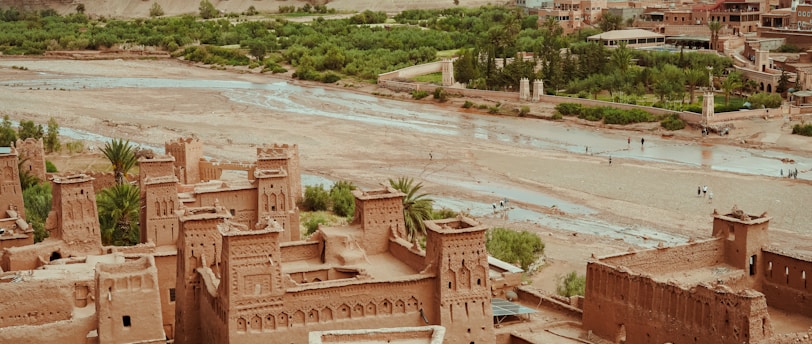
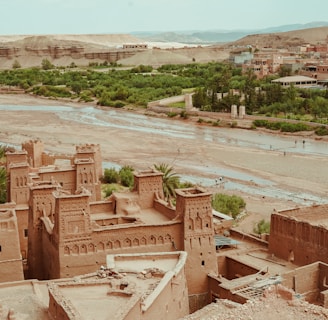
The region is home to majestic Aït Ben Haddou, an 11th-century mud-brick ksar (fortified village) that's one of Morocco's most striking, well-preserved ancient sites. Still inhabited and now protected by UNESCO, it was made famous in the TV show Game of Thrones. Built along the ancient caravan trade route between the Sahara and Marrakech, Aït Ben Haddou is a prominent specimen of traditional earthen construction. This kasbah has featured in several movies, such as Game of Thrones and Gladiator. Taking a stroll in its narrow streets and towers, one can get a full immersion into the past of Morocco, where traders and travelers used to rest on this busy trading road.
Aït Ben Haddou is best enjoyed at sunrise or sunset. Walk through the village to take in the incredible scale of this remarkable site. Entry via a short wade or stepping stones across the river is free; a guide is optional but enriches the visit considerably.
Afternoon
Lunch in the village of Aït Ben Haddou itself — several small restaurants serve tagine with a direct view of the ksar across the valley. Around $8–10 for a tagine and Moroccan salads.
Depart back over the Atlas toward Marrakech, with the option to stop briefly at the Kasbah of Telouet — a largely ignored 20th-century Glaoui kasbah in dramatic ruin, its tiled halls collapsing but still haunted by traces of extraordinary craftsmanship. Few tourists make the detour; those who do rarely forget it.
Evening
Return to Marrakech for your flight or overnight connection. If you have a late flight, drop your bags at the riad and spend your last hours sipping a final glass of mint tea on Jemaa el-Fna, watching the city fold itself back into mystery as the muezzins call the faithful to prayer.
Morocco gives herself up to you slowly. Ten days is enough to begin to understand her. A lifetime would not be enough to truly know her.
Practical Guide — Everything You Need to Know
Getting Around
Morocco has invested heavily in modernizing its transportation options. Traveling around the country is easier, thanks to domestic flights, high-speed rail, new roads, and luxury coaches covering long distances. Using public transport is also a breeze in Morocco — trains, buses, and city trams are all decent and easy to figure out.
Trains (ONCF): Fast and reliable between Casablanca, Rabat, Meknes, and Fez. Book at the station or online at oncf.ma.
CTM/Supratours buses: The premium bus network connecting Marrakech, Essaouira, Chefchaouen, and cities without rail access.
Shared grand taxis: For shorter inter-city hops (like Meknes–Volubilis), negotiate a price before getting in.
Money
Morocco uses the Moroccan Dirham (MAD). 1 USD ≈ 10 MAD. Cash is king in the medina; ATMs are plentiful in cities. Most riads and restaurants in the medina are cash only.
Riad Tips
One of the best things to do in Morocco is to stay in a riad — a traditional Moroccan house built around a secluded courtyard. A riad will give you a true taste of traditional Moroccan hospitality, ensure an utterly tranquil base even at the heart of the noisy and chaotic cities, and surround you in beautiful architectural details. Most riads are located in the Medina, the old town of any given city. Especially in Marrakech, that means a maze of tiny alleys and souks — overwhelming if you don't know where you are going. Always arrange arrival transfers through your riad.
Dress Code
Morocco is a conservative Muslim country. Cover shoulders and knees when visiting mosques, medinas, and sacred sites. Women may wish to carry a light scarf. This is also simply good cultural manners.
Best Time to Visit
Spring (March–May) and autumn (September–November) are ideal — warm days, cool evenings, and good light for photography. Summer in Marrakech and the south can be brutally hot (100°F+). Winter is mild on the coast but cold in the mountains.
Budget
This itinerary is designed for the mid-range traveler. Expect to spend:
Accommodation: $45–75/night (riad double room)
Food: $10–25/day (eating like a local, with occasional nicer dinners)
Entry fees/transport: $10–20/day
Total per day: approximately $70–120
Sources & Inspiration
Not Just a Tourist — All of Morocco's UNESCO World Heritage Attractions
The Restless Beans — 12 Must-See Historical Landmarks in Morocco
Bewildered in Morocco — Best Affordable Restaurants in Marrakech
Turn This Itinerary Into Your Personal Trip Plan
If you're feeling inspired to plan your own adventure, BTravelrs is here to help! You can view this itinerary in the app, build and customize your own trip from it, and easily book through our trusted partners like Booking.com for flights and accommodations, Economy Bookings for car rentals, Viator for experiences/tours, and Airalo for eSIMs, all in one place.
Booking through us allows BTravelrs to remain free to use and us to bring more amazing articles like this! 😉
Happy Travels!
Your Ultimate Travel Companion
Connect
© 2026. All rights reserved.


Say Hi!
Get the App